Phil badger
SHOW NOTES - TRANSCRIPT
Please note: This transcript was produced with the help of Otter. Corrections have been made although it is not perfect.
Mark Jesser: G'day, Phil. Thanks very much for joining me on the podcast.
Phil Badger: Thanks, mate. Pleasure.
Mark Jesser: We're we're just outside of Sydney at the moment, recording this episode. Has this always been home for you?
Phil Badger: No, I was born and bred up in Sydney, and we moved around after I joined the air force, and finally got out of the rat race of Sydney after I left the air force, stayed in my own home up there, and then moved down here to where I live now, which is a lovely quiet spot.
Mark Jesser: What was your role in the air force?
Phil Badger: I was a radio technician, worked on aircraft. There were different types of radio technicians in the air force, so I preferred the aircraft side of it. I finished in first of December 2000 with a redundancy, one of the last redundancies given, which set me up for the rest of my life.
Mark Jesser: Once leaving the air force, did you go straight into working on Gopher Models and Badger Bits, or did you have another job after that? Or
Phil Badger: no, when I left the Air Force, I decided I was never going to work for another boss in my life again, because, yeah, people. Anyway, I was producing kits from 1985 when I got back from Butterworth, and I was doing some stuff for myself, and people wanted it, and that's how I ended up being in kit manufacturing.
Mark Jesser: In 1978, you were an aircraft modeler and made the switch. What made model railways more appealing?
Phil Badger: My wife actually. Well, I was. She reckoned that all the plastic models were just dust collectors because they were sitting around, and we were only newly married and didn't have much. So we went along to a model railway exhibition, and she said, "Why don't you do model railways? Because it moved, and so consequently, I turned to model railways, and I was going to go English or American because there wasn't much round in Australian. She said, "Why don't you model what's in your own backyard? And that was my turning point to Australian.
Mark Jesser: So, were you interested in trains at that time, or was it more like the modeling aspect?
Phil Badger: I was interested in trains from the word go. When I mean the word go, from first train I saw when I was about three or four, but my father wasn't interested, and he bought me a scale electric set instead. Even though my grandmother lived 200 meters from the SMR, and I wanted to go there. He wouldn't take me over.
Mark Jesser: Obviously, you own Ixion models, and that's HO, and and you you sort of started with HO, but why did you sort of more move towards N Scale?
Phil Badger: Well, I started with HO in '78, and I went home to build my empire in my shed in my Air Force backyard, and found that 10 foot by seven foot gave me a circle of track plus one siding in HO. So I immediately sold it all, and went to N Scale, and that was the the time.
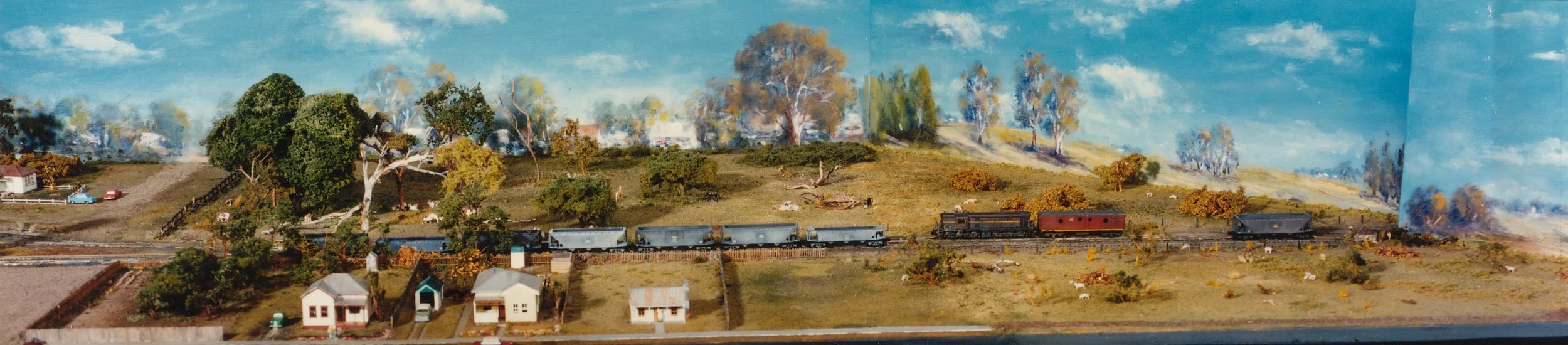
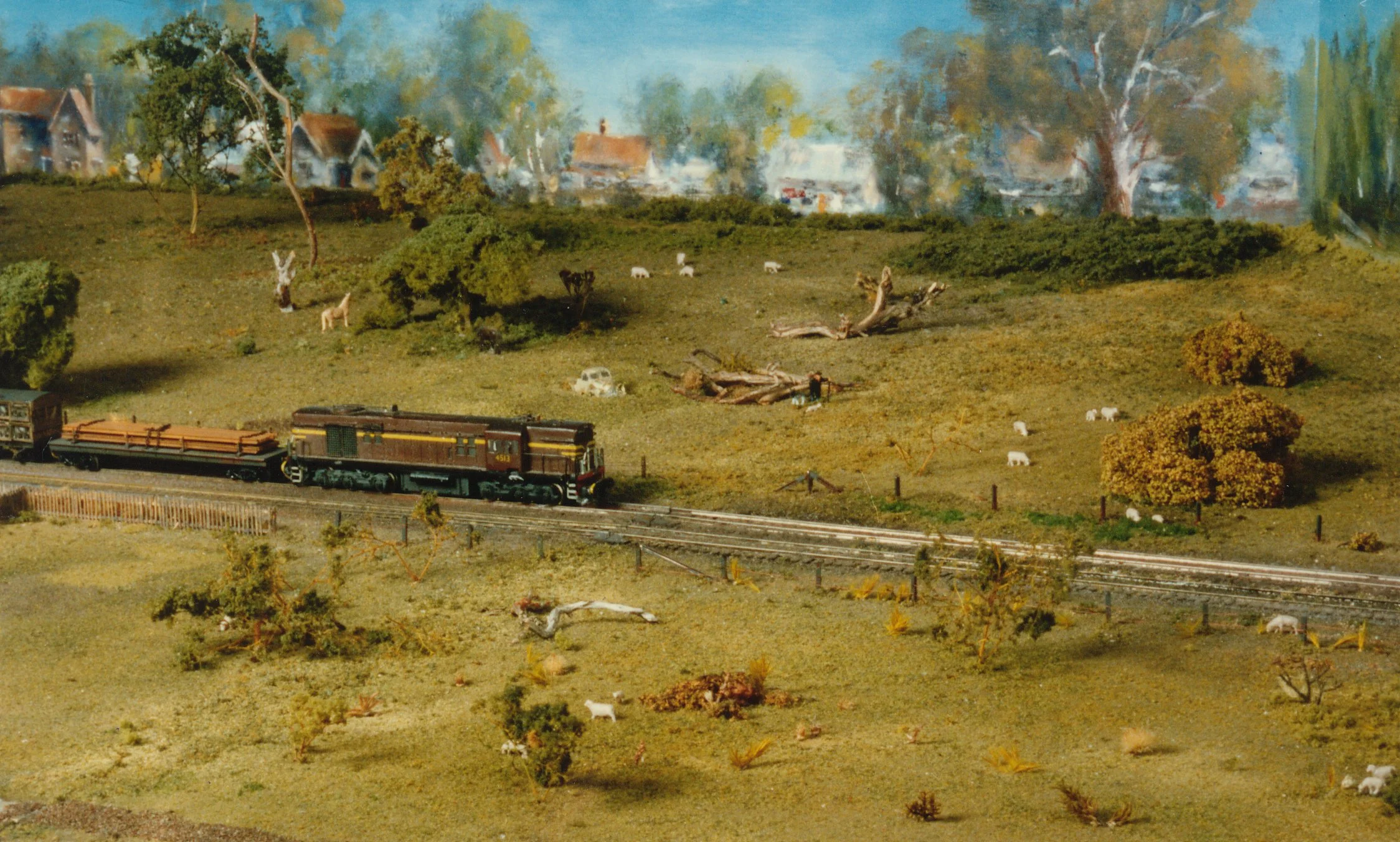
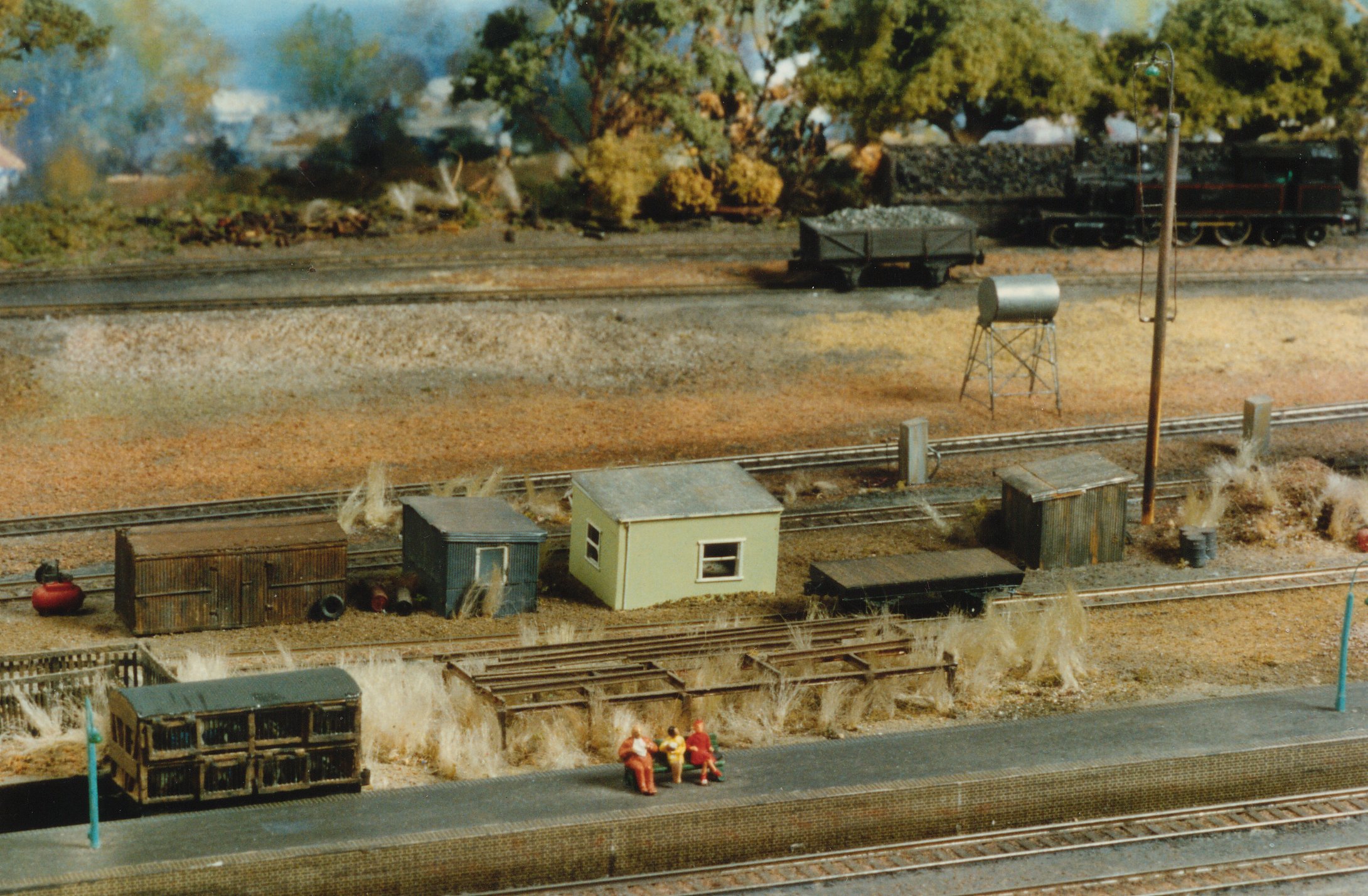
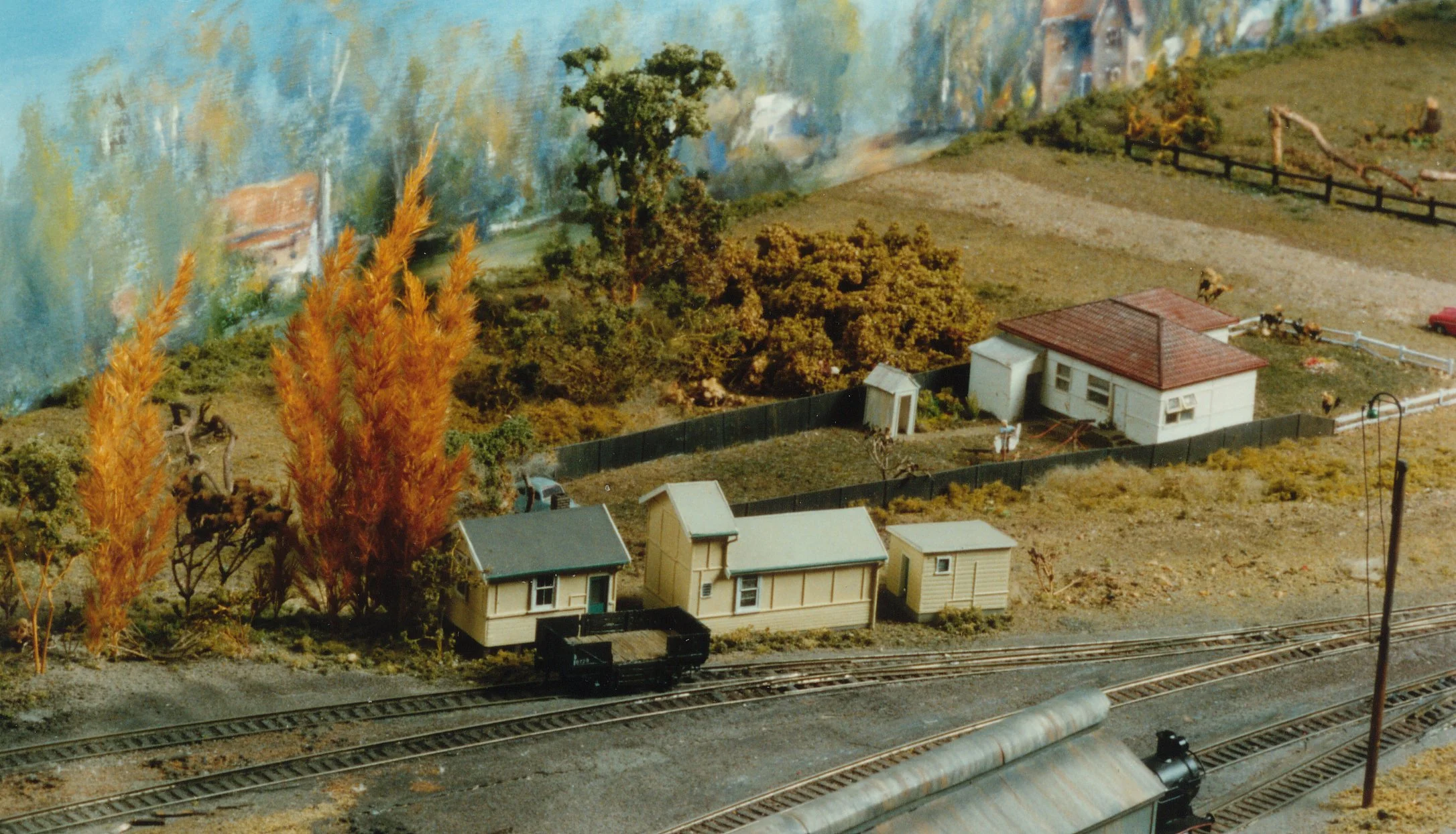
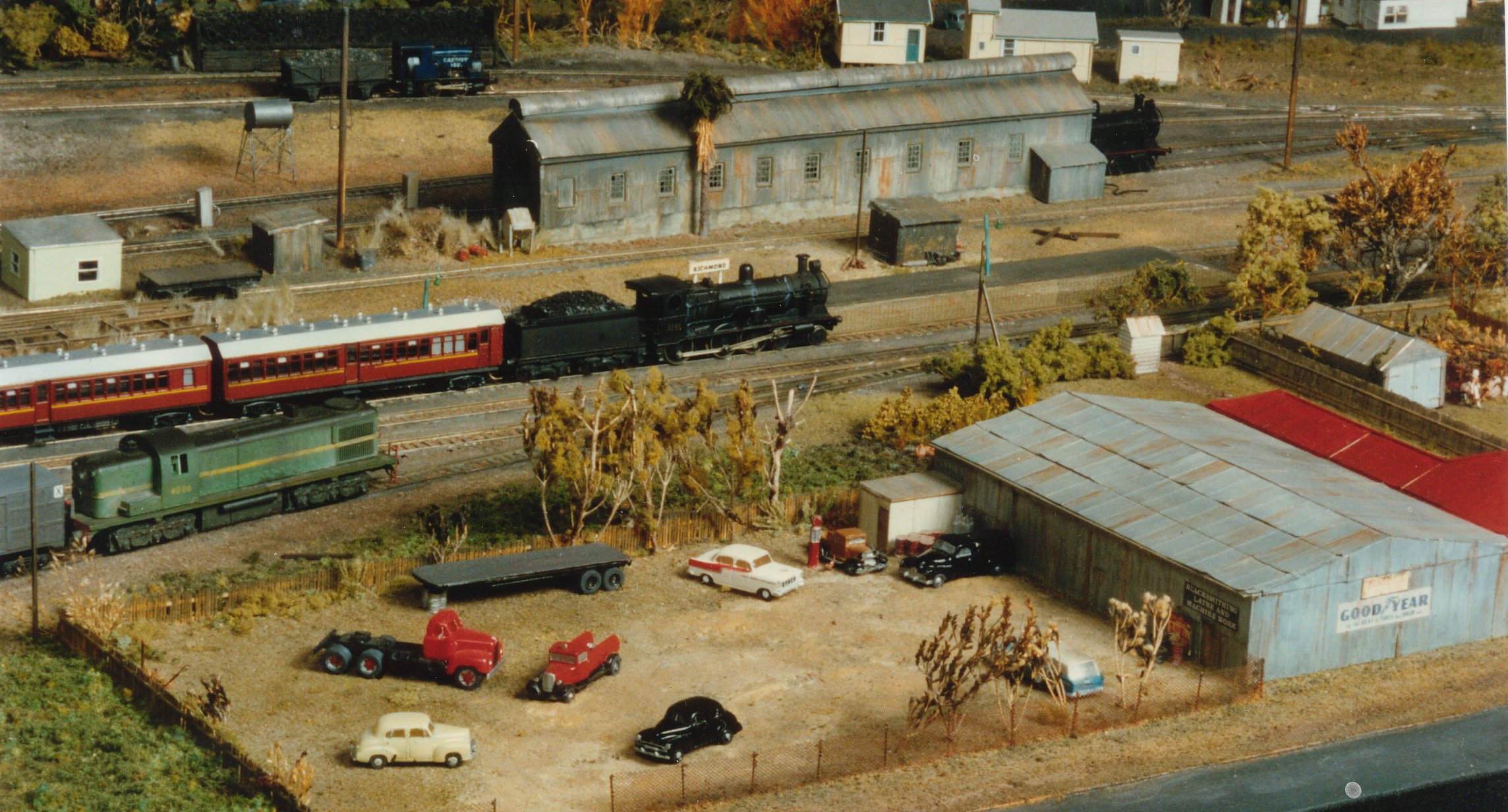
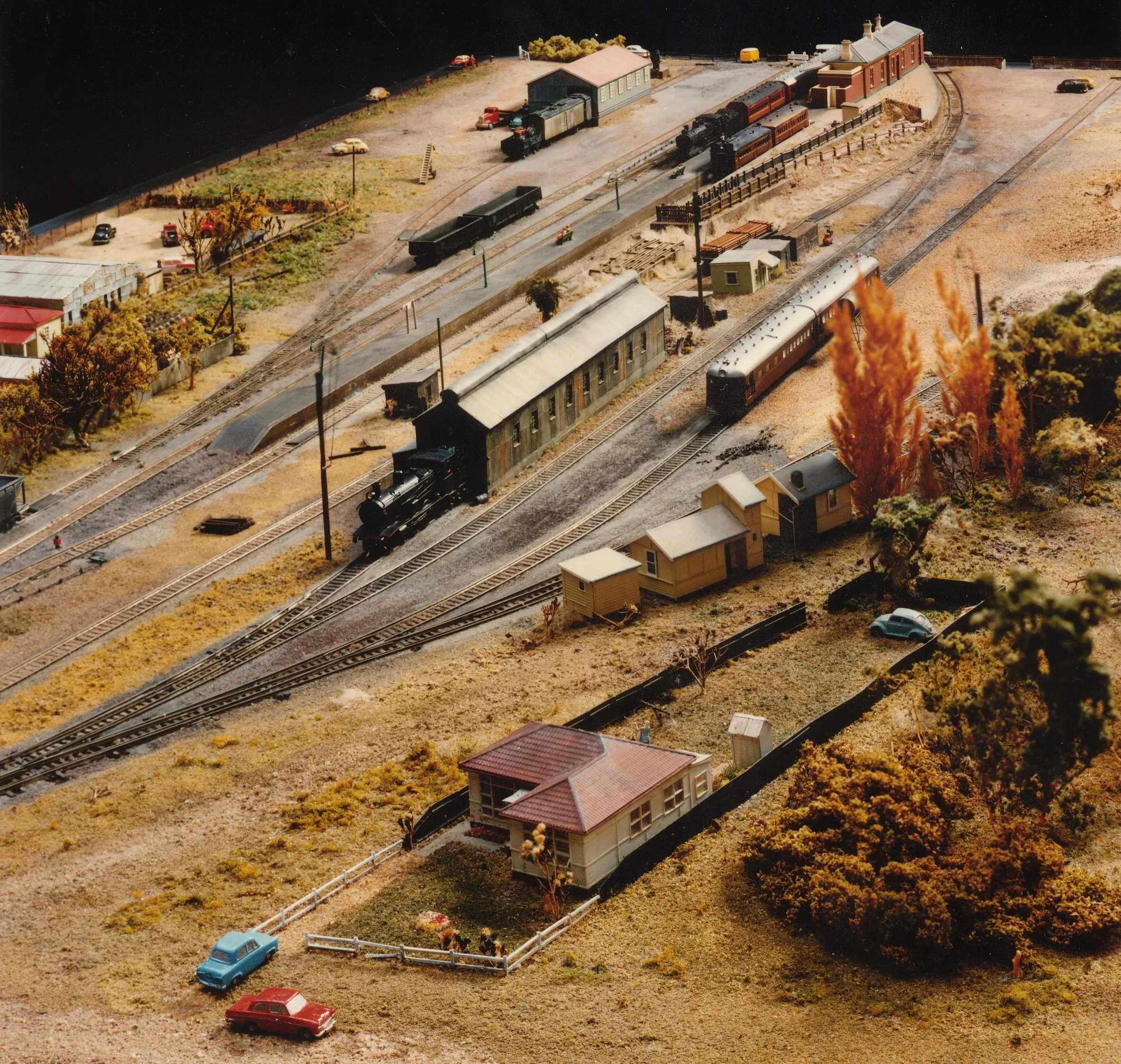
Mark Jesser: Your first serious layer was Richmond back in the 1980 s, and it won many awards in the in the exhibition sort of scene. Why did it create a bit of a stir in in the circuit? It
Phil Badger: created a stir because it was the first real New South Wales or Australian model in N Scale, and also it was a terminus, which, unfortunately, certain people within the fraternity said a terminus is not an exhibition layout. So, for two reasons, it created a bit of a stir.
Mark Jesser: And for people that don't know, terminus is more sort of end-to-end style. What's what's sort of the most common layout you'll see in an exhibition.
Phil Badger: Oh, the roundy, roundy, the continuous run. I lived at Richmond when I was in the Air Force, and that's what got me interested in doing Richmond itself because it was very compact, and I could put all the modeling skills into a small layout that I had instead of having to to try to do something that was big and then transport it round with the air force.
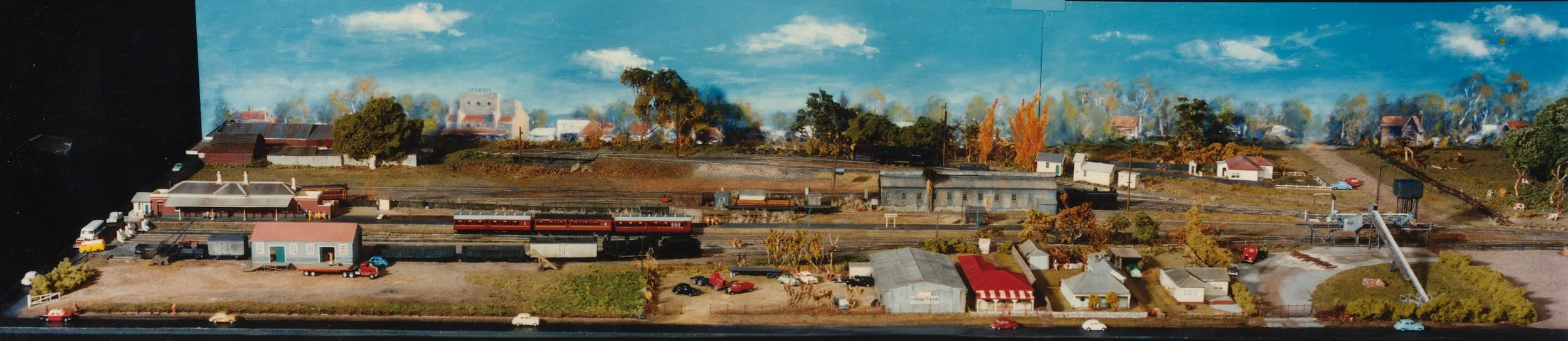

Mark Jesser: And how how big was it size wise? It
Phil Badger: was 2.4 meters by 900 mil, and that was two scale.
Mark Jesser: And buildings and things like that. What was that like?
Phil Badger: I had to scratch build everything. I didn't have a choice. I had a little bit of help with a friend who was a very good scratch builder, and I learned a lot of skills from him.
Mark Jesser: And it it took seven years to create Richmond. What was the most enjoyable part of building Richmond?
Phil Badger: I think the enjoyable part was actually the research because I nearly did, nearly didn't finish it because I was so enthralled in the research on on building it, and that's what you have to do if you're going to do an accurate scale model. I think in structures and so on, the learning aspect actually, I had to learn everything, and. So, parts of my buildings that got damaged are sitting over beside me, where I am now, and there was all different techniques. But I think the thing that I got the most enjoyment out of it was the hand building of the points.
Richmond in N Scale
Mark Jesser: Were you building it as it was at the time, or how would you describe that? The
Phil Badger: reason it took so much research was that it I had to build it to when it was 100 years old, so it was based on 1964,
Mark Jesser: How hard was it to get to shows with it?
Phil Badger: It was quite easy at the time because one of the things that I had to do was make sure I could do it myself, and so I bought a Tarago, and it could fit in the back of a Tarago. They were the two criteria. Obviously, there's an other module that came off the end of it, but that was only to get it off scene. And yeah, so it was a little bit longer. It was about three 3.5 meters long when it when you put the fiddle yard on and everything else as well.
Mark Jesser: And do you still own the model?
Phil Badger: No, my son desperately wanted it, but I'd given it away. I'd actually given it to Windsor Council or the Hawkesbury Council because they wanted to set it up in the library as a permanent display. But the mayor got voted out, and it went into a shed. A flood went over the top of it, and it was going to be taken down the dump because they couldn't rewire it. And I was told about it by a gentleman up in Karajong, and I went and got it and said, "You're not going to do that. It was given on the proviso of this, it's not happening, so I got it back.
Mark Jesser: Yeah, right. And do you think it'll ever see the exhibition circuit again, or
Phil Badger: not where my son's putting it? But he's got it. We've got it running again. Unfortunately, there was a slight accident with a couple of the buildings, so I've got to rebuild them. But he's happy to wait because he's too busy with his life anyway.
Mark Jesser: Yeah, wow. So they were all all handmade, which would be probably fairly unique at that time, wouldn't it? It
Phil Badger: was for Australian modeling. I'm not saying HO, but yeah, it was very unique for N Scale. There was 14 scratch build points on it, and they were all manually operated from underneath. And so, working out the switching and everything for it, that was what I enjoyed. That challenge
Mark Jesser: at the at the time when you first got into model railways, people sort of said it was really hard to build, you know, locos from scratch and very difficult. And you're almost, from what I could read, you're almost not encouraged to to have a go at it. What drove you to prove everyone wrong and build the Z12 class?
Phil Badger: Before I went to Butterworth, I'd walked into a shop who will remain nameless, and I said I wanted to build a 12 class, and I was actually laughed at. The guy literally laughed at me, and that's like a red flag to a bull to me. So I went off to Butterworth, and then I came back with it because I couldn't see why it couldn't be done at the time. I didn't understand gearboxes, so it ran like a hairy goat with a 22 to one gearbox in it, it's now got a 36 to one in it. I've got to rebuild the body because somebody broke the cab. It was made out of plastic. The rest was brass, so it could weather the time. So yes, I'm going to rebuild it. It's sitting to my right at the moment,
Mark Jesser: and that must be one of your more special sort of models. Have you have you got any others that are sort of pretty important to you?
Phil Badger: Even though I don't own any at the moment, I built five garrets, and the other one that I like, which is probably my favorite loco of all, is 1021 and o4 O Manning Wardle that sits down at Thormeir. That was probably my proudest moment in modeling because it was so small, and they said it couldn't be done again, and we got it running. And there's five of those out there as well, all hand built.
Mark Jesser: Yeah, wow. And the the technique behind that. Can you talk us through sort of how how they're made?
Phil Badger: So when I was in Perth before I went off to Butterworth, I bought myself a lathe because I'd always wanted a lathe, and I sold my motorbike of all things, which to a certain degree I'm sorry, but I wanted the lathe and couldn't afford it any other way. So I bought the lathe when I from Stanbridges in Perth, and then bought the milling parts for it in Butterworth, and so most of it's out of brass. The turning and so on, I needed. Obviously, you can do that in a drill, but it's a lot more difficult for accuracy. And the rest was just cut with scissors out of brass, sheet brass, and then soldered together.
Mark Jesser: How thin is. When you talk about brass etches and that process, how thin is that material?
Phil Badger: It's point three of a millimeter. I wasn't into etching till I got back from Butterworth, so everything was hand cut, including the 30 class that I did as well, and the there was a 32 class I did as well, and it was all hand cut and drilled, and yeah, it took a while.
Mark Jesser: Yeah, and what's the what's the process of etching like these days? Has it changed a bit?
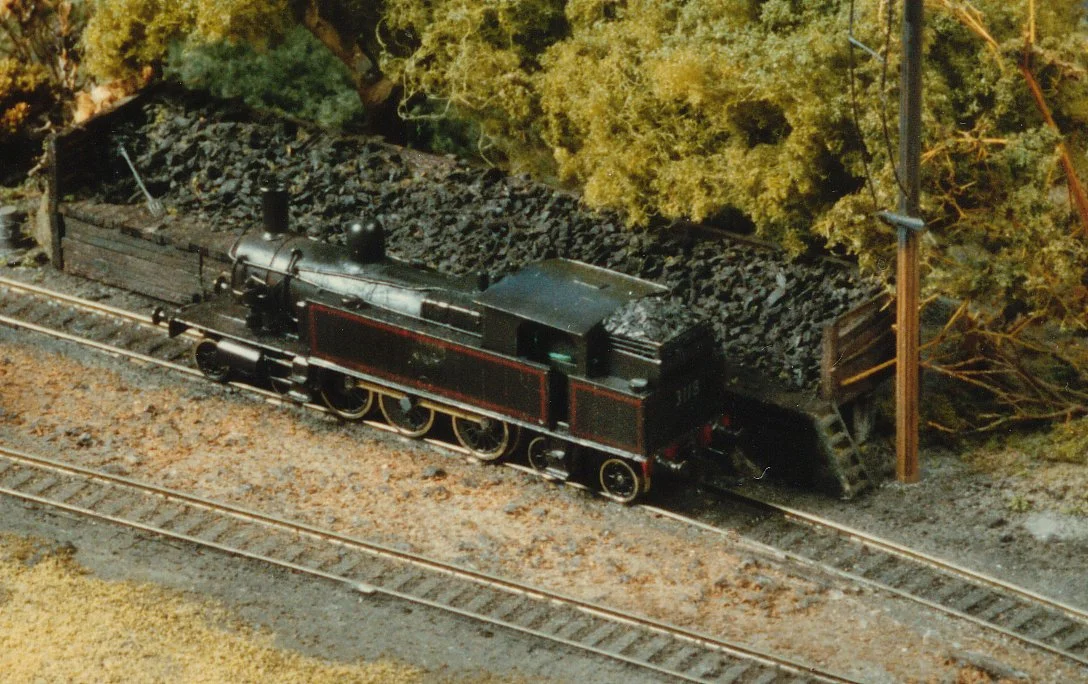
C30 Class by Phil Badger
Phil Badger: Etching's basically the same as it has been since the 60s when printed circuit board. It's just printed circuit board manufacturing. It's exactly the same way. You've got certain criteria of undercuts and so on because it's thicker than the copper that's on printed circuit board, and you have to take that into account. But other than that, it's the way it was years ago. Other than they're automating a lot of it and using machines now to use a laser or a UV light to how can you put it? Sorry, the resist on the etch, so it's more accurate that way than using a camera and then putting two bits of film on either side.
Mark Jesser: And how important is is that sort of that skill to the hobby? Do you think that sort of do you think there's enough people still doing it that way, or
Phil Badger: well, there's no manufacture except for one in Australia doing it now, and it's very expensive. It's very expensive indeed. So I actually go to Scotland to get it done, and I do all my own drawings. You've got to be. I'm quite happy to teach people if they want to come and ask me how to do it, but the drawing is all done computer now. It's not by hand.
Mark Jesser: I've just had a look around your great workshop and and and seeing how many printers you've got and and your workspace and all that. Your 3d drawing skills are exceptional. Where did you learn those skills?
Phil Badger: Self-taught. It was experimental. I got into it. I won't go into the way I got into it, but it was self-taught. I'd print something and then I think, can I change that? So in a lot of cases, in the kits that I'm doing, I've always improved them. So as we can actually get that extra detail into it, not knowing what the printer can do, because you can only find out what the printer will do unless you push it.
Mark Jesser: And have you got an example of where the the technology has changed in the printing, like in terms of how fine it can print?
Phil Badger: Yeah, it's just the it's the actual resolution of the screens, which basically they started out with a phone screen, and now they're doing their own screens because it's a lot higher resolution.
Mark Jesser: That obviously gives you a different level of detail. Does that mean you can now print more handrails, or what for you is a big difference?
Phil Badger: Yes, it's getting the handrails and getting the the meshes in all the the grilles and stuff that really make a difference to the detail on a model.
Mark Jesser: Just going back to brass etches and and that sort of things. You've done a lot of clinics around soldering brass etches, and you've also made a video. Do you think it's still important that sort of technique these days?
Phil Badger: I think it is, and there's a reason I say that is that you learn so much from it, and that's if you're going to draw your own drawings. The other side to it is it's a lot stronger than 3d printing, so it's More robust, and there are certain things. There are certain things that can be done with etching, but 3d printing now with the engineering resonance is taking that place, the place of etching.
Mark Jesser: Most people would would see you at shows representing gopher models and and Badger Bits, Gopher Models more focuses on the ready to run side of the business, and and Badger Bits is more for your um your 3d printing, your casting, your brass etches. When Gopher Models launched in 2011, your first ready to run release was a New South Wales Government Railways 48 class diesel locomotive. Why was that the right loco for you to launch your ready-to-run brand with?
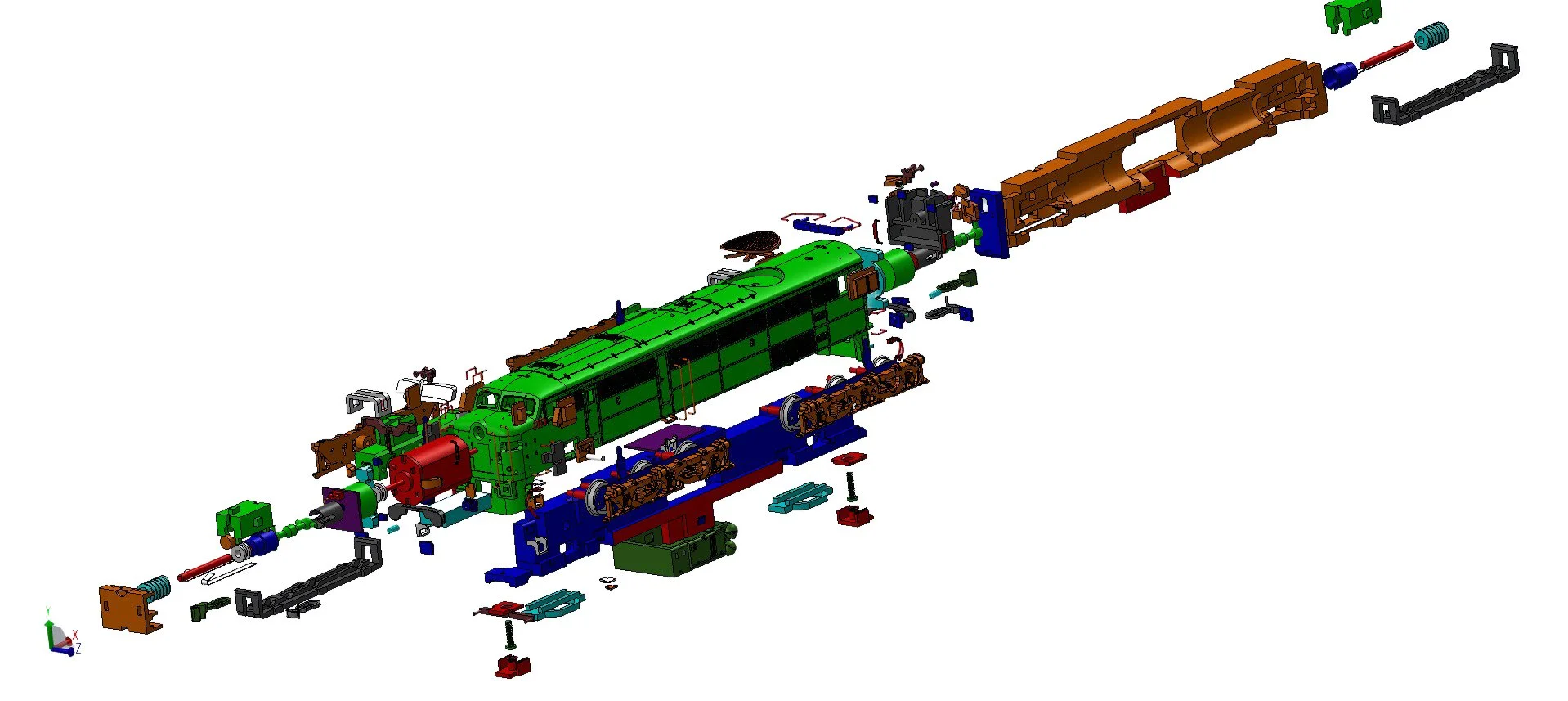
Gopher Models 44 Class - CAD drawing sample.
Phil Badger: It's because of it being the most numerous locomotive in New South Wales. Diesel, because it was easier than steam for the manufacturer up in China, they'd never done a steam loco and N Scale, and because it was renowned as the workhorse of the New South Wales Railways and very popular, and we know it was popular because of the Bergs when Bergs released his. 48, you couldn't get them for love and money, and they were going for ridiculous prices. So that was the decision I made.
Mark Jesser: And how did you go? You obviously went from making things yourself and casting and all those side side of things. How did you go about finding a manufacturer overseas?
Phil Badger: Well, I was very fortunate in that I was part of Ixion. Lindsey, who approached me, the other partner in Ixion, approached me to do if I wanted to do out of China because he had a certain amount of money, and I said, "Well, I've got an equal amount of money I can put into it. And so we started. He did a bit of research, and he found a manufacturer that was willing to help him, which was Dapol, when we did the Ixian Manor, and we chose the Ixian Manor because it was named Loco, etc. And from that point of view, Dapol knew that we were going to separate from them at some stage, and there was a mistake made by Dapol in the scaling of the the manner, and I was given full project coordination and so on. So that's where I learnt. Then the company we're now with, and we will never leave because they are so good, approached us, and we decided to go with them, and that's how it all started.
Mark Jesser: How nervous were you waiting for those first models to arrive in Australia?
Phil Badger: Obviously, extremely nervous, because although I had a sample here, it was just something we-it's just something you're on edge until it happens, and now it's pretty, because I've done so many, it's now pretty easy to live with.
Mark Jesser: What did you learn from the first production run of an N Scale Australian locomotive?
Phil Badger: The first thing I learned from doing something in Australia for Australians in N Scale was color scheme is everything, and the reason I say that is that it's different in HO to N Scale, the N scale modelers tend to be more earlier, as in the Tuscan scheme or the Indian Red Scheme of New South Wales. The later schemes, candy and freight rail, are not well, not good sellers, and that was the biggest takeaway I had from it all. Since then, I've tried doing reruns in different colors, and it's proven right. I did 850 Indian red 40 eighths and a few extra other color schemes, and the Indian red went on the second run. Like they just flew out, and I've still got stuff left from the other color schemes.
Mark Jesser: It must be a hard thing to sort of pick a pick a loco or pick a bit of rolling stock.
Phil Badger: I look at what people have liked in the past, and then I look at it and I go around and I'll say, "Oh, Mark, what would you like to see? And people will get that from me all the time because then I'm formulating in my head what's been most popular? The other problem we've got is that after the B and S and 42, I was going to do the 80 and the 442 because they could use the same chassis, different bogey, and Oscillation beat me to the punch, which is fair enough. Manufacturing is manufacturing, so you can kind of go down a line, which can things that can be reused as well. So it makes it keeps the cost of the loco within a certain range, which is better for the modeler.
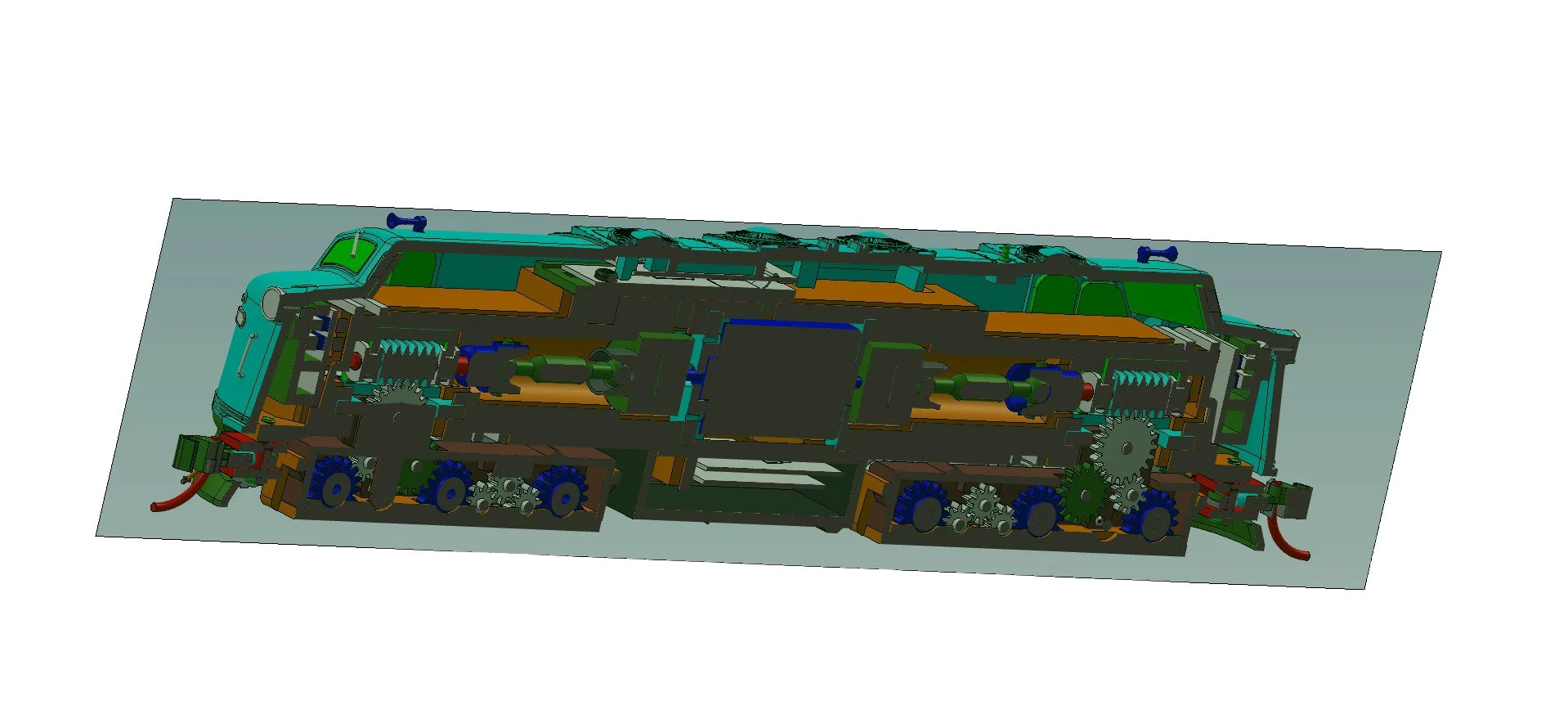
Gopher Models B Class - CAD drawing sample.
Mark Jesser: So that must be a serious thought, you know, in terms of keeping the cost down. You're obviously looking at those ways to sort of reuse things, what what what are another example of where you've you've thought about doing one model and you've thought to yourself, okay, well I can use X from that to help with that.
Phil Badger: That's a good one. The 48 is a classic example. We can use the bogey, which is only one and a half scale inches, which is a milli whisker out of to do a 421 and a 49 class, which is a possibility in the future. Now, don't go and run off with that and say that he's going to do this because I'm not. The decision hasn't been made, but that's part of it. It's looking at it to say, how can I keep that cost down, and that's the critical part because the customer out there has to be looked after. If we don't look after the customer, they won't look after us, and it's a win-win situation for both.
Mark Jesser: What are some other challenges in producing small runs of things?
Phil Badger: It's the challenges are: can I get more out of it in the future? And the classic example was the B class, where I did a V line after I did a VR color scheme. So that's the challenge. Where can I extend that run to the run of that particular loco for? The future, because I'm not getting any younger, and so I've got to make the right choices where finances are available. Because money doesn't grow on trees, and there's only so many bickies in the bicky tin, so we have to make decisions on that and to keep it fresh. So you've got to keep stuff coming out, and that's the critical part.
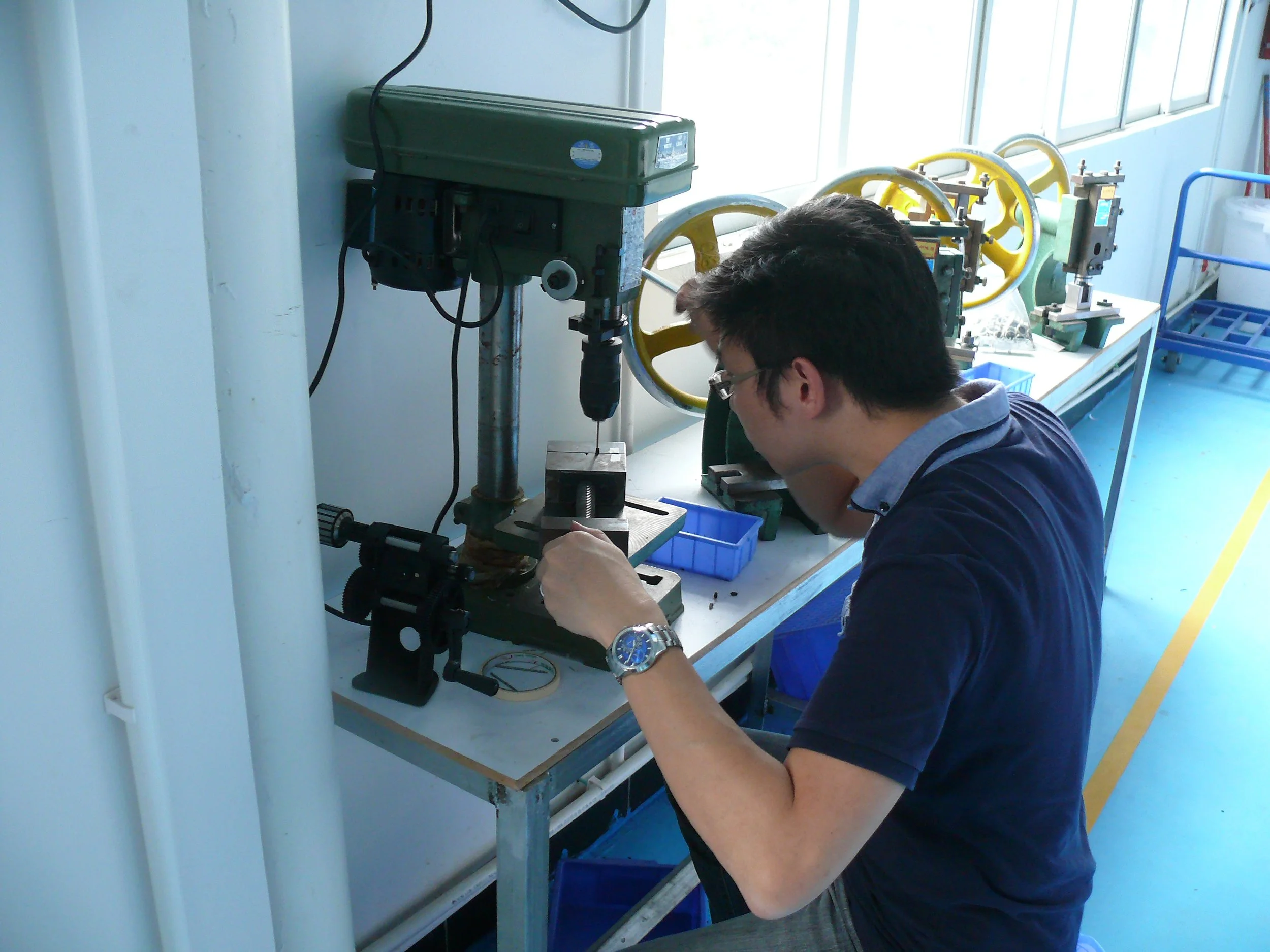
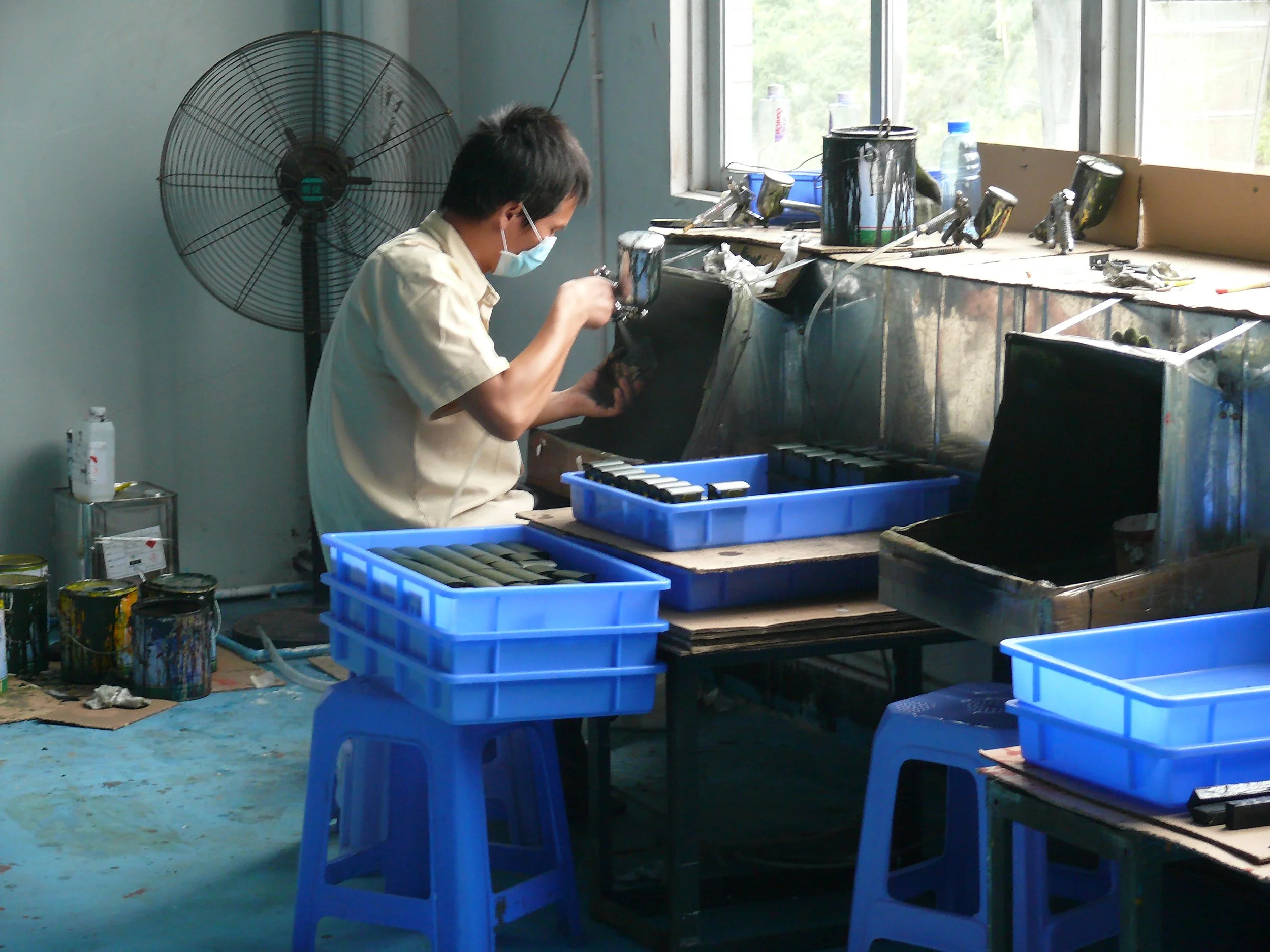
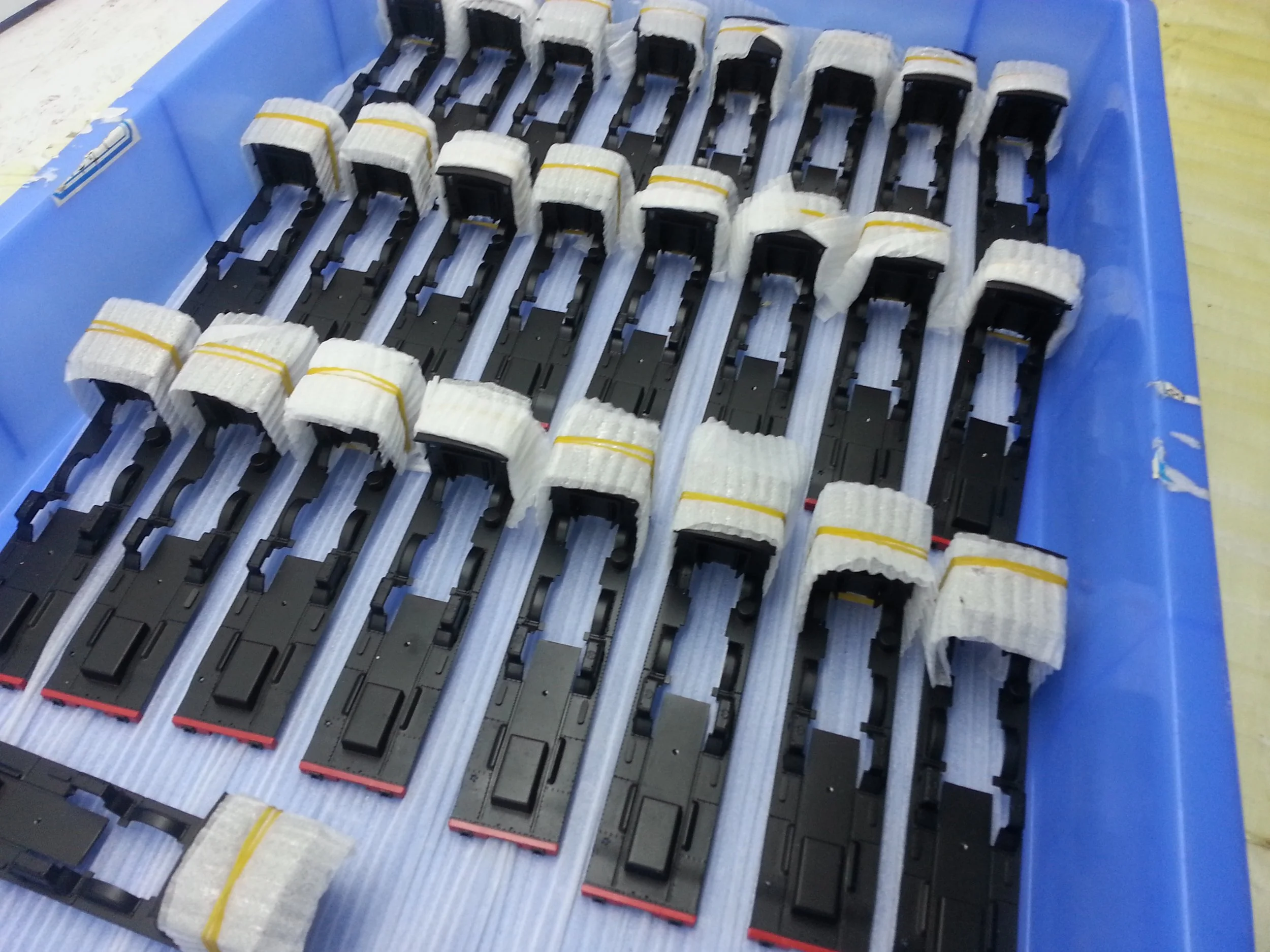
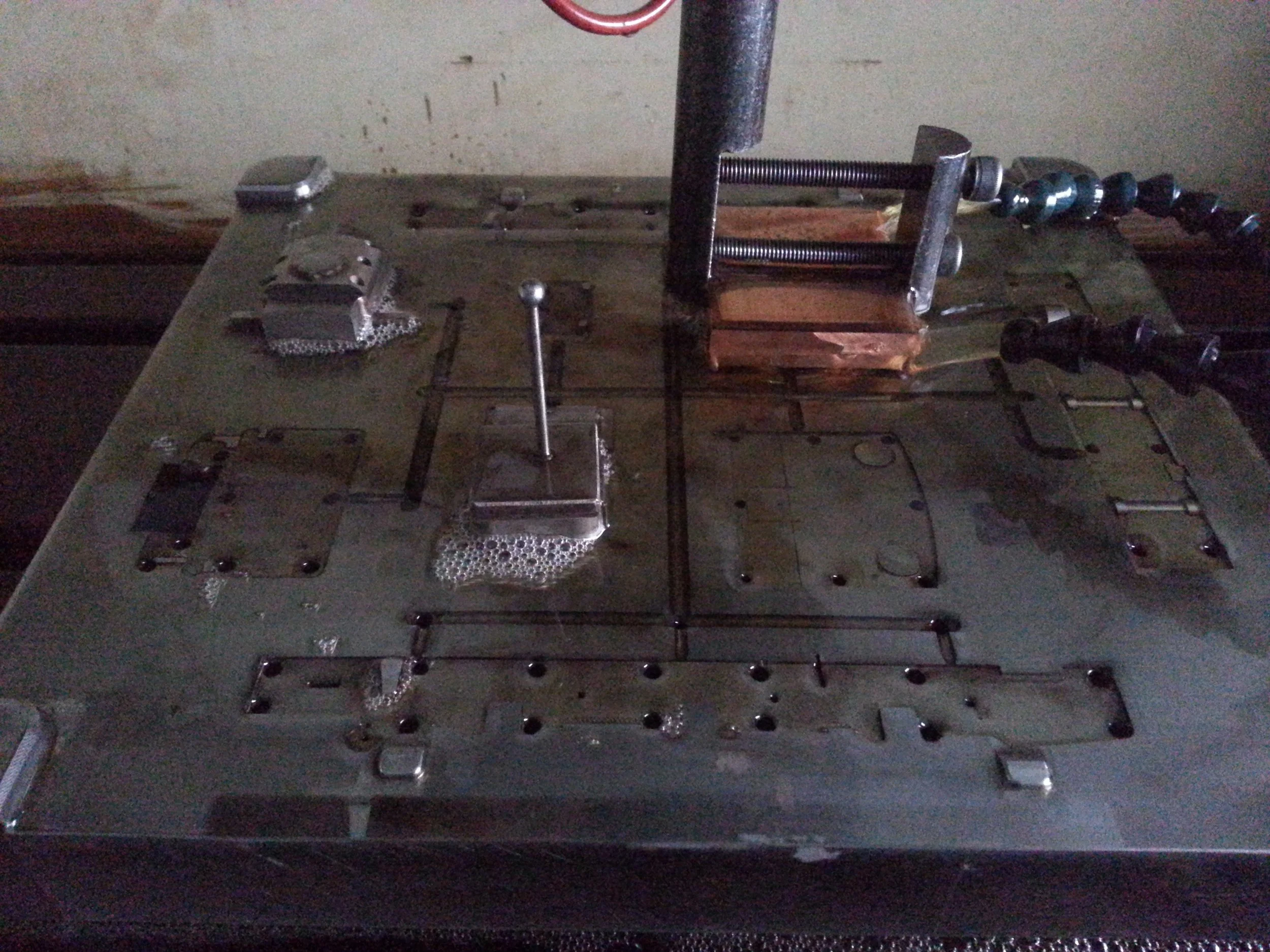
Mark Jesser: What is it like working with the factories in China? A lot of people will often be like, "Oh, when's this coming? Why isn't this out yet? What's what's the process sort of like for people who don't understand? What's the process like? I've I've seen a a local over there that you're working on. Can you sort of explain to people what that looks like in terms of from from start to to finish.
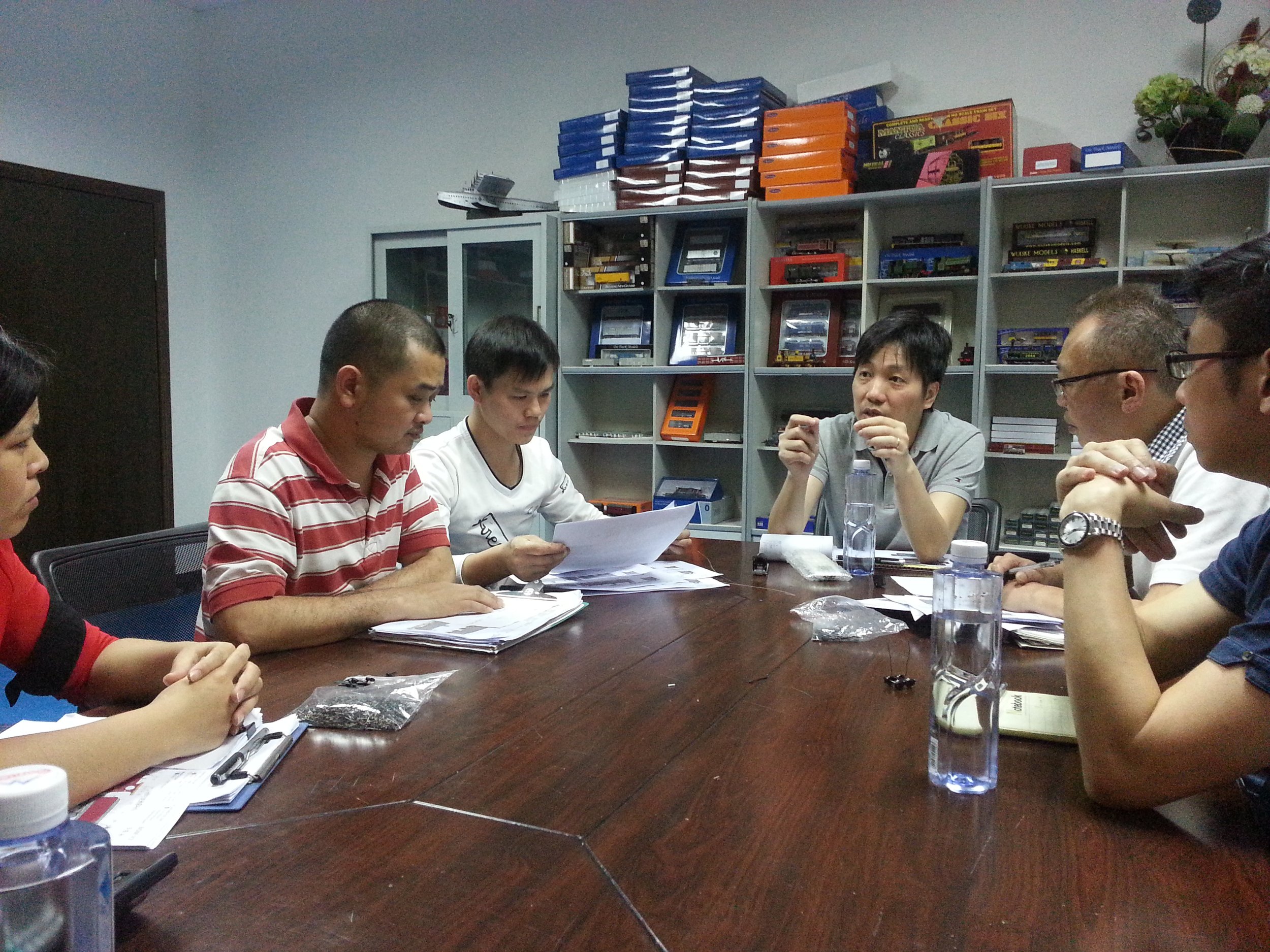
Phil Badger: The first thing you've got to realize is that the factory isn't your factory. They are making models for everybody, so you have to fit in with their production runs and so on. And even though Ixium was the first model company that model train company that went with the factory we're with now. We still have to respect their side of it. We can't go in and demand you will have it for this, etc. etc. So, in in that respect, trying to put a timeline, give them an an idea of when you want it, and the classic example is the one I'm bringing out now, the 422. Everything was running fine until the Chinese government put a restriction on the very strong-I can never pronounce the name-the very strong magnets that go into the callless motors because we've changed the callless motor from a from a an normal motor, and so consequently, they the company that produces the motors has to have a license, and then it comes back to the factory. It's delayed. We were hoping to have this for the convention, the N Scale convention in August, and it just isn't going to happen. But within about a month of that, and that's the issue. You come across these little hiccups along the way, and you've just got to roll with it. There's nothing by getting angry you can do. You've just got to let them go. It's not their fault. So you just work with the factory, and if it's late, it's late, and it takes about two years normally to get to fruition.
Mark Jesser: In in this process, you're you're researching the loco, then you're you're drawing it yourself.
Phil Badger: No, we don't draw it ourselves. The reason is, even though we fully understand and I can draw in 3D and I can do exactly what they want. The problem is that they have to then break it down into component levels so they can manufacture it. So we control the design. We don't do the drawing, and so therefore they've got to say, "I can get this out of the die this way. Sometimes we disagree, and there's no arguing and no back and forth. It's just a matter of discussing. Can you do it this way? Because you've got to understand the whole process, the injection molding, everything, and so you've got to be work with the factory and the factory we work with. I couldn't speak more highly of them. They're very, very honorable, and they will work to make you the best model.
Mark Jesser: And once they've done, once they've done those drawings and they've they've created the the rough model, they send it out to you.
Phil Badger: No, they don't. They send the the drawing to me first, and I can look at it and I can measure do all the measurements of everything on it to plans that I have here. I then say, "Will you correct this? For instance, one of the things on the 422 that we're doing, the the grill on the fan on the top on the single fan on the top was different to the other two, and they got it wrong. And I just said, "Well, can you fix this up? and and then I ask them to move two lights closer together to make it more realistic when you and it wasn't far out. Most people wouldn't have noticed it, but I've got to get the best model out I can. And so they we just work with the factory like that. They come back, then they send the drawing back again, and then it goes back to metal cutting, and then it'll come out here. And if it's wrong, I'll say no. You've got to correct this. So they go back, and you can get two extra changes done before it goes to production. So you've got to have it pretty right, right from the word go.
Mark Jesser: With that process, so obviously, like you said, it'll come out here. You've got the ability to make some changes. When do you start seeing colors and and things like that?
Phil Badger: Well, we're about to go to production for the 422, and that's only three months away, and we still are waiting on the color sample. So as soon as we get the color sample, we approve the color or don't. We go back and we say. The color, and normally I send up squares of paint that they've got to match, and then what happens is the second color scheme will come out to us, and we'll get the samples, and then it goes straight to production once we approve that.
Mark Jesser: Once you give that okay, once the color samples are okay, how long does production sort of normally take
Phil Badger: two to three months? But it's then got to go to the docks. Then there's two weeks on the boat, and then there's a week getting it out of customs here. And then after it's out of customs, it's got to get to my place or wherever we're going to store it. So yes, it takes a while.
Mark Jesser: In terms of the manufacturing process, there would be changes from when you first did your 48 class to now. What are those changes? Is it what are the techniques changing?
Phil Badger: The techniques basically aren't changing. It's the materials they're using. So if we go back to the FO and the the hoppers that we did, there was a bit of rolling resistance, and we had to work out why that was. So from that point of view, they are now using different materials for a start. Delrin, which is a kind of the best way to describe is self lubricating plastic, and it's what the gears are generally made out of, and all your bogies are made out of, and they've changed. They're changing that as they go along, so you can see from Buckambool CDY and the models that were done 10 years ago. The rolling is very different, and so in the future, even I'm going to do a rerun of the hoppers, the wheat hoppers, and the coal hoppers. The bogies will be changed, and the other things that caused a couple of the rolling issues will be changed. So we always look to improve. But I had to speak to the factory, and whether they were going to do it or not, I don't know. But to get a better quality Delran, but at least we're here where we are now, and we can be thankful for that.
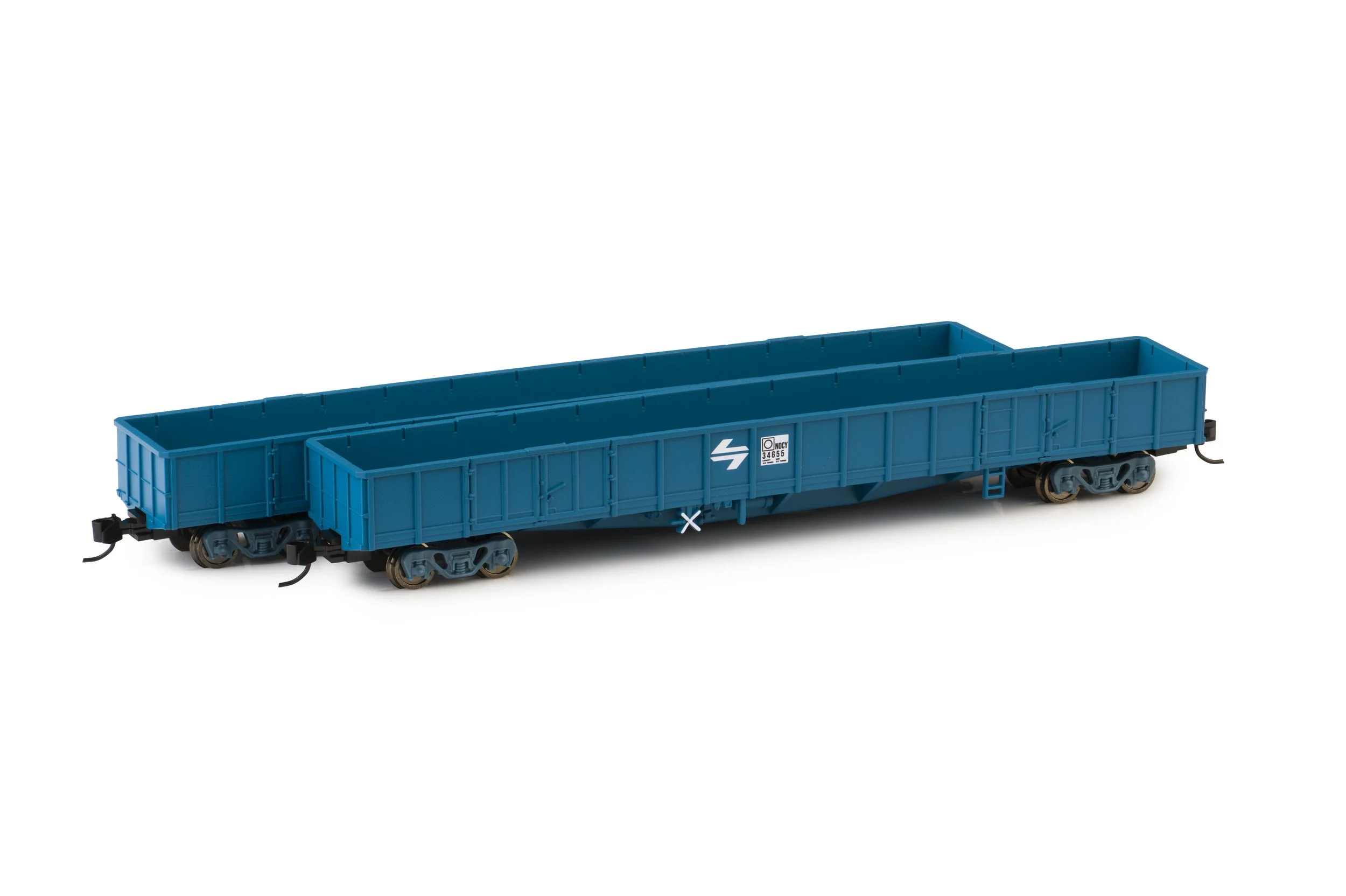
Buckambool Model Trains open wagon
Mark Jesser: Your locos are available in DC, and and you've got a a deal with Jarryd at BMT for the DCC side of things. How how do you guys go working together?
Phil Badger: We work very well together. We chat about things. He was here the other day, and we were talking about future projects and so on. We do work together. We encourage each other. DCC. Even though I'm a radio technician and electronics guy, I'm not interested in putting it in from the point of view of what he does. He's got a real interest in that. Why not encourage it? I mean, we've got to encourage people to come in and join this side of it-the manufacturing side or whatever-to get out to people to make them realize that we're all in this together. We can build each other up. It's not about making profit. Obviously, I'm in business, so I've got to make a profit, and but to just encourage each other as modelers. I mean, if you saw the work that Jarryd does down at Sydney N, it's amazing, and his encouragement, how he's encouraging those people. We've all got to get out there and encourage each other.
Mark Jesser: What's been an example of where Jarryd's sort of DCC skills have sort of come into play with what you're sort of working on?
Phil Badger: Sound for the 422, sound for the 38. I brought him in because that's his passion, and and he's now looking after all that side of it, and he gets. That's why he gets only the sound and the DCC side of it, because he's put in the effort. He's he deserves that. So that's why, if you want sound and DCC in something, go to Jarryd, or I'll direct you to Jarryd, and I'll continue with the DC. It's a very good balance. It takes a load off the research and everything for me. And we just worked together well. We we were at a exhibition in Melbourne, and we went out and recorded the Ixion RT the sound for the RT, and we did it Together, and yes, it's is Jarryd's a wonderful person.
Mark Jesser: You've done your 38’s and your XPT with Hobbies Australia. What was the thinking around the XPT locomotive coming out with two two locos and one single passenger car.
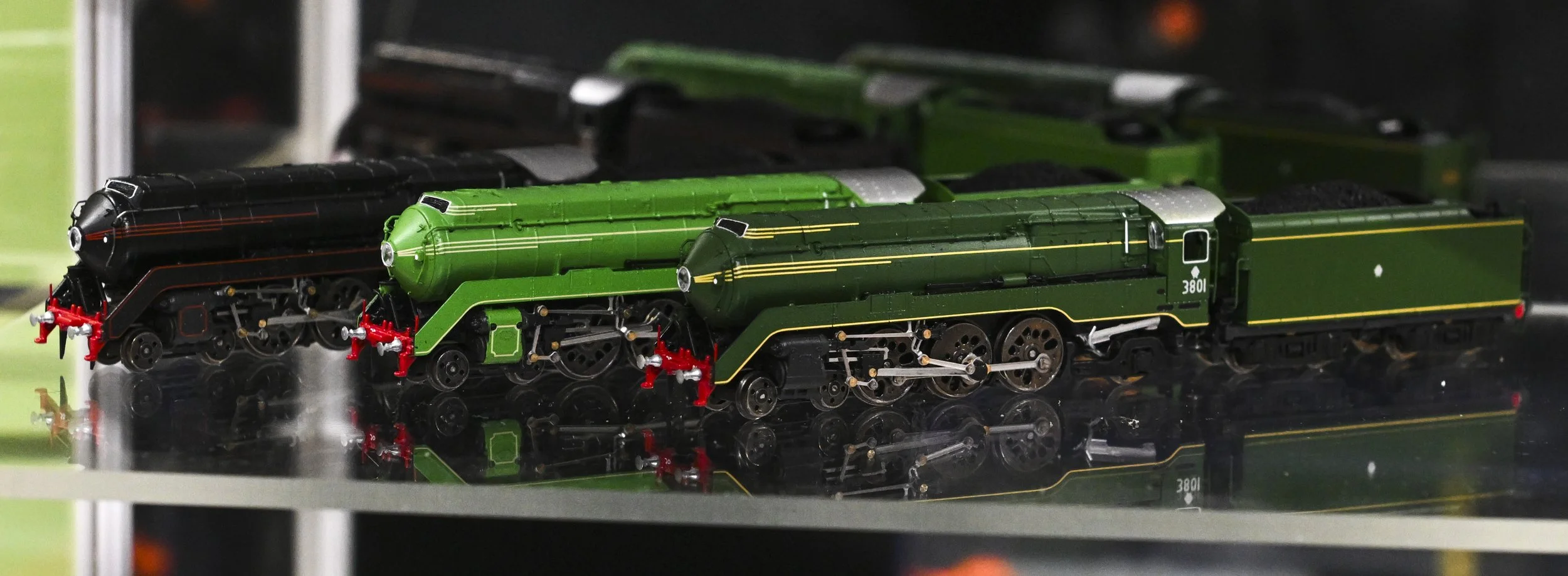
Gopher Models 38 Class steam engine
Phil Badger: The thinking in regards to that was how do you get younger families into it, and that was purely what the thinking was about. And so, $750 is a lot of money for parents to pay out for a child. But there's also the cost of what it costs, and that's why it's $400 for the free three unit. And the reason that is that 400 is a lot easier to spend than 750 for a young family. Having had a young family in the past myself, I know what money's about. Are
Mark Jesser: you looking to do more models with Hobbies Australia?
Phil Badger: Yes, but I can't say what anything they are or whatever. I've started a project, so there is something coming in the future.
Mark Jesser: You might not be able to answer this one either. What are you looking at doing next in Ready to Run?
Phil Badger: I can't answer it, but hopefully it'll be here in 12 months. There's, I think, most people will enjoy what's coming next.
Mark Jesser: What does the future look like for Gopher models? Have you got a a five year plan, a 10 year plan? What does that look like?
Phil Badger: Basically, I'm looking at having turning 75 this year. There's got to be an endpoint. So I've I've set myself around 80 because I want to do some modeling myself. I'll still remain in it. Don't I'll remain till the day I drop dead. But there is a succession plan, and the person who's going to take over it. I won't say who it is at this point, but he's going to be going at it for a long time. So go for models. Yes, should keep going for at least another 50 years after I go.
Mark Jesser: How do you feel about it? Eventually, sort of moving it on to someone else.
Phil Badger: I'm quite happy. I was wondering what was going to happen if I go. Oscillation have stepped in, which is great. It's absolutely fabulous. I'm hoping other manufacturers will come to the party and start getting involved because NHO virtually everything's been done, and if we get more in it, it's more expansion able to take place within the selling to the public at shows, and that's our real place where we introduce new people to model trains. One of the exciting things that I think that's coming about is I'm astounded at the number of young people that are following electrics now. That is astounding because I was out at Clarendon show, and a K set pulled up while we're having dinner in the pub, and I went out there and I couldn't believe there was more young people out there than there were older people. So I think that bodes well for the hobby, for N Scale in the future, it really does. It's just that we've got to tap into that somehow.
Mark Jesser: Do you think it's the sort of that idea of modeling what you see?
Phil Badger: I think to a certain degree, but I don't necessarily completely agree with it because there are a lot of people who just still love steam, and they love the Tuscan and Russet. As I said, there was more difficulty selling modern image stuff than there is the Indian Red. So where it is that changeover period, I think that's where it still is in N Scale, whereas it's moved very much in Ho, even though there's a lot of steam still there, there's more mod percentage-wise modern image modeling NHO than there is in N scale.
Mark Jesser: We're obviously up near Sydney, and a lot of your models have been, you know, New South Wales based, which is which is fine. Do you do you sort of look to do more, maybe in the in the Victorian side of things.
Phil Badger: Yes, I'm quite open about it. My next model after the project that I haven't been able to tell you what it is, I'm hoping to do a T and a Y class because I think that's critical. It's like the 48 in in New South Wales, that is critical to the Victorians, and it can also translate into a South Australian, even though it's Australian National locomotive that runs around over there. We have them in SSR up here, so hopefully, if we do an SSR color scheme in it, the people will actually take it on.
Mark Jesser: The future of the hobby, as you said, it's you know you've got the starter kit to help get people sort of in without sort of without spending too much money, and you said to me earlier that you know those techniques of scratch building are fairly important and and should be passed on. Where do you see the hobby going.
Phil Badger: It's difficult to say, but I'm I'm actually seeing more people coming back to wanting to put kits together because the the situation is that obviously the manufacturers can't do everything you want, and they won't do everything you want because it depends on numbers sold. So if you get something like. For example, in the carriages that just been brought out in HO, SDS brought out the FG. There's six of them, and they've gone now. You don't see any of them round. Would that be viable in N Scale? No. So kit building and scratch building is still there, and that's where it's viable to learn these skills. Now the kits that I produce, and I'm only talking from my own point of view, are two or three pieces, and all you have to do is paint them and then glue them together. And I would love to see, and I'm happy to teach people airbrushing or whatever, and I'm quite happy to have a skills clinic somewhere outside the conventions where people can learn these and then get the things they want. Because the surprising thing that I've found is that if you ask somebody what they would dearly love, nobody ever has an answer. I haven't had one person be able to answer me off the top of their head. They'll come back to me later, but they can't answer you off the top of their head because I think the other thing that needs to be learnt is the history of the railways, and that's why I've got a library the way what I've got. So as if I want to find something out, I've got it there, or if I can't, I've got people I can contact to find out information now. Information is your hobby in the future. We just don't want to run trains round and round and round without having some reason for it. And I think the other thing is being taught how to design layouts. And I mean, what I mean by that is, and this is only one aspect. I'm not 100% right, but there are certain aspects. When you design a layout, what do you do? You've got to choose industries that are related to each other, so the trains have some reason to do something. I personally find absolutely boring watching a train run round and round and round, and I'm not an operator. I'm the first to admit that, and neither is Ross Balderson, by the way. And we ended up going to John Harriet's layout on the Batley branch, and John shoved a controller in both our hands when we went there together, and we had to operate the layout. And it was because it was going. There was a reason for operating this. We both felt it was very encouraging, very enlightening to see actually what our trains do. If you get get it where I'm going, and and I think that's the important thing that we have the reason for it, like you doing a model of Colcan, but do you include what comes out of Corrowa, what comes out of Holbrook, on the old lines when they were branch lines off there?
Mark Jesser: And and my model, I thought would be easier for me to model if I modeled it as it is today, but then that also limits me to rolling stock and and absolutely and what I want to sort of have running on the layout.
Phil Badger: Yes, and and so you restrict yourself if you don't broaden this knowledge base. It's easy to go and research something that's there now, but how much of the infrastructure is gone, and we've got to go and find out. And my library of photos would exceed 30,000 photos only because I need that for research, and that's part of the fun of modeling is actually the research. You'd be surprised how much enjoyment you get out of
Mark Jesser: it. And you touched on Ross Balderson before. You've obviously helped with some of those etches and things like that. How cool is it to you know to see his couple of beautiful layouts? How cool is it to sort of know that you've helped him along the way?
Phil Badger: I'm I'm not that sort of person. I'm just thrilled that I can see Ross's development from when I first met him many many years ago. I think I met him when he was about 19 or something, and just to see what he does now, it's just awesome. And I'd encourage anybody to take a leaf out of his book. But Ross is a structure builder. He's not really a train runner. He builds his layouts and let other people run them. Well, that's what I did with Richmond as well, But I just take my hat off to him. I've seen modeling all over the world. I've been to America and England and Japan, and I don't think I know of a better modeler structure-wise than him.
Mark Jesser: Do you think N Scale will become the dominant scale in Australia?
Phil Badger: It Could do, the the things that we get fed back at the stand when we're at shows is HO is saying if this was available when I started, I would have been in N Scale, and I think there's a good possibility we'll equal or go more because as even though. Houses today are getting bigger. They're getting smaller because of all the other stuff we put in it, and N Scale is perfect for building layouts at home because it takes up quarter of the real estate, and that's what we really don't push N Scale to to the public. And obviously, you've got people like Casula Hobbies who does his HO stuff. He's going to want to move the HO stuff before the N Scale, and that's understandable. That's his his business. But as the hobby shops close down because the people are getting older, I mean, Bergie's in his 80s. Joe's closing in on 80. I mean, he's not there. I think he's about 76 or 77.
You've got the Spencer Salts with the Model Railroad Craftsman there, getting older. Who's going to take over? And if we don't have people taking over these things, then we've got a few few issues in the future with with where does model trains go? I mean, Peter Wilks from Auscision, he's younger, but he's still in his 40s. You've got then Steve from SDS. How long Steve got? He's probably got 20 years. I don't know, but it depends when what we do runs out as well, because it doesn't sell, because there's so many things out there. That's where I think the advantage with N Scale is as well, is that it's going to expand because of all these issues of space, people who are the manufacturers now dropping off the perch, and I'm not trying to be horrible about that. It's just a fact of life, and we've got. I'm not going to say what it is or where it is, but there is a manufacturer overseas looking at doing an Australian thing in N Scale, and I think when you look at that, if this manufacturer has approached some people in Australia, can we do this, or is it viable? And we've said yes, then that's a good thing for modeling Australian.
Mark Jesser: Yeah, totally. You can't give anything away there, can you absolutely
Phil Badger: not? Whether it's HO or N, I'm not going to say anything. But the beauty of it is, we had people like Hornby, who did some repaints for Australian Outline, which encouraged the brass manufacturers in the 70s. You know, and then all of a sudden, Bergie got onto Ibertron, who they had a 44 class, even though it was over scale. When I got into it, I thought, "Wow! and I bought six of them straight off. Wow! And and so it's that encouragement and and trying to entice others to come into
Mark Jesser: it. Because I guess the reality is we are a you know a small country doing a small thing compared to you know the amount of stuff that's in Japan and overseas.
Phil Badger: So one of the things that people say, oh, it's expensive. Be thankful we've got the manufacturers we have here in Australia. I take my hat off to all of them because we do minimum runs, because we can't sell the product otherwise. Whereas you get somebody like Tomix or Kato, and they'll do 10 to six to 10,000 run. I know their minimum is a 6000 run. You take American manufacturers; they have one locomotive and multiple color schemes like Union Pacific, Santa Fe, whatever, whatever. That allows them to have this big production run, and why things are cheaper. But when you look at what the cost is now, ours are pretty much the same as the American or the English, and I think we've got a pretty good, and we ought to be thankful to all those manufacturers. I'm not saying to me, I'm not asking for that, but I think we're pretty fortunate to have what we've got.
Mark Jesser: Yeah, we are lucky, aren't we, that you know people are willing to you know put their put their dollar on the line really to produce something that we can all be proud of, running around on the layout at home.
Phil Badger: Yes, that's that's correct. I I'm just amazed that I actually got where I've got. I still can't fathom it, and I've been in this business for manufacturing kits and ready to run since 1985, and I still can't fathom how we've got where we've got,
Mark Jesser: you've sort of obviously helped shape Australian N scale in Australia. You'd be proud of that.
Phil Badger: I am, but you know I couldn't have done it without my wife, and she's encouraged me, and and so it takes a lot to do it, but it also takes. A lot of people encouraging you to do it, and I want to just thank all the modelers out there who have encouraged me, because without it, you you go nowhere.
Mark Jesser: You've just come back from Perth, and yourself and Liz have have been traveling over there and done a couple of shows. Must be pretty special traveling around the countryside now, selling model trains. Oh,
Phil Badger: it is, and you know the friends you meet, the friends you get in each state. And what amazes me is that I go to Perth, and here's a guy I played soccer with in the Air Force in Butterworth, and he's into N Scale as well. He's he's into N Scale, British mainly and American, but he's turning to the dark side.
Mark Jesser: That's good. We'll get him. We'll get him.
Phil Badger: Oh, we already have what he's bought from me.
Mark Jesser: Well, thank you very much for your time, Phil. And it's been great to sit down and and yeah, learn a bit more about the manufacturing process and and yourself and where you've sort of come from.
Phil Badger: Thank you. Thank you very much for the opportunity.